Tax Refunds x Drop Culture: $370B Up for Grabs
Tax Refunds x Drop Culture: $370B Up for Grabs
Nobody talks about tax refund season like they talk about Black Friday.
No countdown clocks. No doorbuster emails. No breathless TikToks from creators unboxing their hauls. And yet, this year, $370 billion is about to hit American bank accounts between now and April. That's more than double what gets spent over the entire Black Friday weekend. It dwarfs Back-to-School. It makes Prime Day look like a rounding error.
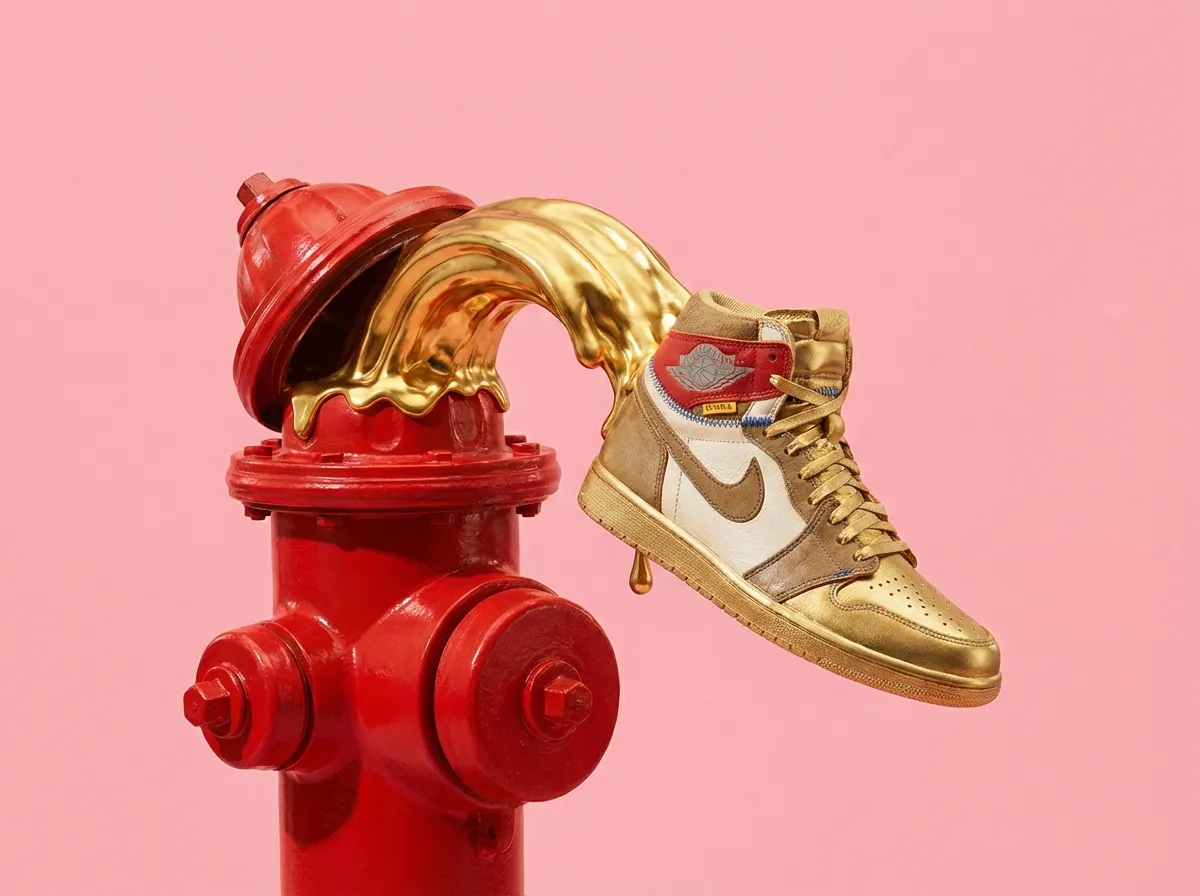
And it lands right in the middle of sneaker season.
The Numbers Are Absurd
The 2026 refund season isn't just big. It's historically unprecedented.
Thanks to the One Big Beautiful Bill Act (OBBBA), which passed last July but took effect retroactively, workers over-withheld throughout all of 2025. Now they're getting that money back. Every dollar of it.
Average refunds are projected between $3,743 (J.P. Morgan) and $4,151 (Piper Sandler). That's roughly $1,000 more per household than prior years. Treasury Secretary Scott Bessent put the increase at "$1,000 to $2,000" higher than typical.
The provisions driving it read like a highlights reel: no tax on tips, no tax on overtime up to $12,500, a $6,000 senior bonus deduction, the Child Tax Credit bumped to $2,200, and SALT caps jumping from $10,000 to $40,000.
For context:
| Filing Season | Total Refunds | Average Refund |
|---|---|---|
| 2024 | $311.6 billion | $3,052 |
| 2025 | ~$329 billion | $3,138 |
| 2026 (Projected) | ~$370 billion | $3,743 - $4,151 |
That's a 26% increase over the prior year. An extra $91 billion sloshing around the economy. And it's not going into savings accounts.
Where the Money Actually Goes
Here's the part that matters if you sell anything people actually want.
Middle-income households earning $30,000 to $60,000 spend roughly 30% of their refunds on discretionary purchases. Not rent. Not debt. Stuff they want. For households earning $100,000+, that number drops to 15%. The people getting the biggest relative bump are also the most likely to spend it.
JPMorgan Chase Institute data shows spending on durable goods doubles in the week after refund receipt. Cash withdrawals spike by $200 more than usual. Families defer purchases and stack credit card debt while waiting for the check to clear, then spend immediately upon receipt.
And "immediately" means exactly that. The bottom 40% of earners spend nearly 30% of their refunds within 30 days.
This isn't theoretical consumer behavior. It's a liquidity event with a known start date.
The Sneaker Connection
Pull up the February-March release calendar and tell me it's a coincidence.
The IRS opened filing season on January 26. E-filed returns with direct deposit land within 10-21 days, putting cash in hands by mid-to-late February. EITC refunds (legally delayed until mid-February) hit bank accounts by early March. By the first week of March, an estimated $125-130 billion in refunds will have been disbursed.
Now look at what dropped during the same window last year:
- Feb 14: Air Jordan 1 High '85 "Bred" - $250
- Feb 27: Union x Air Jordan 1 High OG - $200
- Mar 1: Air Jordan 12 "Flu Game" - $200
- Mar 14: Nigel Sylvester x Air Jordan 4 "Brick by Brick" - $225
- Mar 18: Nike SB x Air Jordan 4 "Navy" - $225
- Mar 20: Salehe Bembury x New Balance 991v2 - $250
That's nine releases priced at $200+ and five at $225+ in the exact weeks refund money peaks. The average sneakerhead has paid up to $309 for a single pair. When your average refund is pushing $4,000, that's not one purchase. That's a collection refresh.
S&P Global's analysis makes the correlation explicit: a 10% increase in refunds correlates with a 2% rise in retail spending at apparel and general merchandise stores.
Brands That Know
Some industries figured this out years ago.
Auto dealerships run entire campaigns around refund timing. Some Buy Here Pay Here dealers see 50% of their annual business during refund season. Tax Max partnerships let customers file their taxes in the dealership and apply the refund directly as a down payment. "Double your refund" matching offers create urgency tied to IRS disbursement dates.
American Furniture Warehouse runs annual "Tax Refund Events."
The playbook exists. It's just that sneakers, streetwear, and premium retail haven't picked it up yet.
Brands Missing Out
This is the gap.
No major sneaker or streetwear brand runs a dedicated tax refund campaign. Not Nike. Not Jordan. Not New Balance. Not any of the boutiques or collabs that stack their calendars with $200+ releases in February and March.
The comparison is wild:
| Retail Moment | Spending Volume | Marketing Intensity |
|---|---|---|
| Holiday Season (Nov-Dec) | $979B - $1T | Very High |
| Tax Refund Season (Feb-May) | $300-460B distributed | Low |
| Back-to-School (Jul-Sep) | $128-168B | High |
| Black Friday Weekend | $41B (5-day period) | Very High |
Refund season is 7x larger than Black Friday weekend. It gets a fraction of the marketing attention. The releases are already there. The demand is already there. The wallets are already full. The campaigns just aren't.
And then there's BNPL layering it even further. 52% of Americans now use Buy Now Pay Later, with Gen Z (59%) and Millennials (58%) leading adoption. Consumers can stack BNPL on top of refund cash, effectively doubling their purchasing power. Foot Locker offers Klarna and Afterpay. Nike partners with Afterpay. Resale platforms offer five or more BNPL options.
Refund money + BNPL splits = a $200 sneaker suddenly feels like a $50 decision.
The Demographic Overlap
This is where it stops being a theory and starts being obvious.
Approximately 23 million workers and families receive EITC credits averaging $2,743. The top EITC states by total dollar amount are Texas ($7.9B), California ($6.2B), Florida ($5.5B), New York ($3.8B), and Georgia ($3.0B). Those aren't random states. They're the five biggest sneakerhead markets in the country.
YouGov data says 7% of American adults identify as sneakerheads. Roughly 70% of sneakerheads earn less than $40,000 annually, placing them squarely within EITC eligibility and the income brackets most likely to spend refunds on discretionary items.
| Factor | EITC Recipients | Sneakerhead Consumers |
|---|---|---|
| Core income | <$50K | 70% earn <$40K |
| Primary geography | TX, CA, FL, GA, NY | Urban centers in same states |
| Age concentration | Working adults 25-45 | 18-35 core demographic |
| Spending behavior | Spend refunds immediately | Prioritize limited drops |
Same people. Same cities. Same timing. Same price points.
The average sneakerhead owns 34 pairs and has paid a max of $309 for a single pair. When refunds jump by $1,000, that's three more shots at the drops they've been eyeing since January.
When Wallets Are Flush, Fair Access Determines Who Gets to Spend
Here's the thing about a liquidity event this concentrated: it doesn't just create demand. It creates competition.
Millions of consumers get flush at the same time, targeting the same limited releases, in the same cities, during the same two-week window. Bots don't wait for tax refunds. Resellers don't care about your W-2. When demand surges and supply stays fixed, the infrastructure between "I want this" and "I got this" determines who actually wins.
That's what Fanfare is built for.
We help brands run drops that handle the demand spike, filter out the bots, and give real fans a fair shot. Not just during refund season, but especially during refund season, when the gap between "wants to buy" and "gets to buy" is widest.
$370 billion is hitting bank accounts right now. The releases are stacked. The audience is ready. The only question is whether the experience matches the moment.
Ready to make refund season your next big drop window? Let's talk.
WANT TO TURN YOUR NEXT LAUNCH INTO AN EXPERIENCE?
Join the waitlist to get early access to Fanfare and start building a community of fans, not just customers.